Sketched Poppy: A Floral Gem for Real Projects
As a designer and embroidery product reviewer, I’ve seen my fair share of floral designs. But when I first laid eyes on the Sketched Poppy, it stood out—not just for its visual appeal, but for the way it seemed to whisper, “I belong on something special.” This machine embroidery design has a quiet elegance that makes it ideal for a range of projects, from handmade gifts to commercial products. Let me walk you through how it performs in real-world use.
The First Impression: A Delicate Balance of Simplicity and Elegance
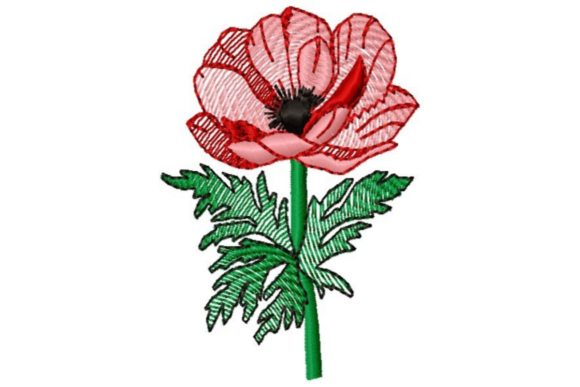
Sketched Poppy immediately evokes a sense of calm and refinement. Its soft, flowing lines and gentle curves give it a hand-drawn feel, which is perfect for those who want a touch of artistry without overwhelming detail. The design feels like it was meant for a vintage-inspired project or a modern minimalist piece. It’s not too busy, but it still holds its own as a standout element.
The layout is well-proportioned, making it versatile enough for various sizes and placements. Whether you’re adding it to a tote bag, a pillow, or a baby onesie, it doesn’t feel out of place. The level of detail is just right—enough to catch the eye but not so intricate that it becomes a headache to stitch.
Real-World Use: Where Sketched Poppy Shines
I recently used Sketched Poppy on a custom embroidered tote bag for a client who wanted something both practical and stylish. The design looked great on a light-colored cotton fabric, and the stitch density was just right for the size. It didn’t require an overly large hoop, which is a plus for smaller machines or tighter spaces.
This design also works well on sweatshirts and t-shirts, especially when paired with a simple background. It adds a subtle yet sophisticated touch that elevates the overall look. For small business owners, this could be a strong selling point—especially for items like aprons, kitchen towels, or personalized gifts.
On baby items, Sketched Poppy felt particularly appropriate. Its soft lines and gentle appearance make it a safe choice for nursery decor or baby clothes. It’s not too bold, which is important when designing for sensitive little ones.
Where to Be Cautious: Design Limitations and Practical Considerations
While Sketched Poppy is a beautiful design, it’s not one-size-fits-all. On smaller hoop sizes, some of the finer details might get lost, especially if the design is scaled down. If you’re planning to use it on a cap or a hat, you’ll need to check how it translates to curved surfaces. The corners might not come out as crisp as on flat fabrics.
For dark fabrics, the thread color contrast is crucial. If the design uses light-colored threads, it may not show up well against a black or deep navy background. Similarly, on textured or stretchy fabrics, the stitches might not lie flat as intended. In such cases, using the right stabilizer can make a big difference.
When working with thin or delicate fabrics, be mindful of the stitch density. Too much stitching could cause puckering or damage the material. And for commercial projects, always double-check the licensing terms before selling finished products or digital files.
Impact on Visual Appeal and Customer Perception
Sketched Poppy adds a level of sophistication that can elevate any handmade product. When used on a custom apparel item or a boutique merchandise piece, it signals quality and care. Customers often notice these details, and they can translate into higher perceived value and better reviews.
For Etsy sellers or craft business owners, this design can help build brand consistency. It’s a reliable choice for creating a cohesive aesthetic across multiple products. Plus, its versatility means it can be used in different contexts—whether as a holiday gift, a wedding favor, or a simple personalized item.
From a design standpoint, it’s also great for printable mockups. You can easily showcase it in different color variations or fabric backgrounds to help customers visualize the final product.
Practical Designer Notes: What to Check Before Using Sketched Poppy
Before committing to a project, I always recommend testing the design on scrap fabric. This helps you see how the stitches look in real life and whether the thread colors work well together. Pay attention to the stitch density—some designs may require adjustments depending on the fabric type.
Also, make sure the hoop size is suitable for your machine. If you’re planning to use it on a patch or a small item, check that the design isn’t too large for the space. Inspect the small details closely, especially if you’re using it for a digital product or a printable mockup.
Finally, always confirm the licensing terms. If you’re selling finished items or digital files, you need to know what you’re allowed to do with the design. Some embroidery files come with restrictions that could affect your business model.
Conclusion: A Versatile Design for Thoughtful Projects
Sketched Poppy is more than just a pretty flower—it’s a thoughtful design that can enhance a wide range of embroidery projects. Whether you’re creating a personalized gift, a small shop product, or a commercial embroidery piece, it offers a balance of beauty and usability that’s hard to beat.
With careful consideration of fabric type, hoop size, and thread color, this design can become a staple in your collection. For designers and crafters looking for a reliable, elegant option, Sketched Poppy is definitely worth exploring.