Bluebell Embroidery Design Review
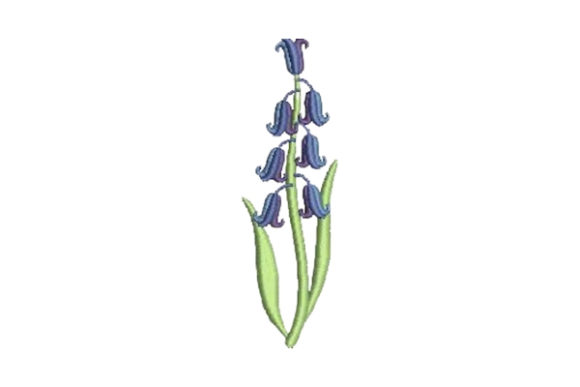
The Bluebell embroidery design is a fresh and versatile addition to any craft fair product lineup. With its delicate floral motif, it brings a soft, springtime charm that can elevate a wide range of handmade items. As an experienced embroidery designer, I’ve evaluated how this machine embroidery design performs across various products and what makes it stand out in a competitive market.
First Impressions of Bluebell
From the moment you see Bluebell, it exudes a gentle, elegant vibe. The design feels modern yet timeless, making it suitable for both rustic and refined settings. It’s not overly bold or flashy, but it has enough detail to catch the eye without overwhelming the viewer. This balance makes it ideal for a variety of fabric types and product styles.
Bluebell on Craft Fair Products
When considering where Bluebell would shine at a craft fair booth, several products stand out. Tote bags, aprons, and tea towels are natural choices. The design works well as a small accent or a larger focal point, depending on how it's scaled. On a tote bag design, Bluebell adds a subtle touch of personality without being too busy. For apron embroidery, it can be placed on the front or back, offering a stylish and functional element.
Tea towel embroidery with Bluebell gives a homey, farmhouse feel that appeals to many buyers. It also translates well to embroidered patches, which can be used as accessories or applied to caps, jackets, or bags. Fabric pouches and pillow covers benefit from the design’s softness, making them perfect for gift items or boutique displays.
Visual Appeal and Customer Attention
At a glance, Bluebell has a clean and appealing look that draws the eye. Its simplicity allows it to blend well with other designs, making it a great choice for layered or mixed patterns. When displayed on a booth table, it stands out as a premium-looking handmade product, especially when paired with neutral or pastel fabrics.
For Etsy sellers and digital sellers, Bluebell’s visual appeal translates well into online listings. It photographs nicely, especially when using high-quality images and proper lighting. A printable mockup can showcase how the design looks on different items, helping customers visualize the finished product before purchasing.
Practical Selling and Production Points
One of the key advantages of Bluebell is its ease of use. The design is straightforward, making it accessible for both new and experienced embroiderers. It works well as a small accent or a large focal piece, giving flexibility in how it’s applied. This adaptability increases its potential for batch production, allowing for efficient commercial embroidery.
However, there are a few considerations. The stitch density may require attention when working with thick fabrics or textured towels. It’s important to test the design on scrap fabric first to ensure it doesn’t pucker or distort. Thread colors should be chosen carefully to match the fabric, enhancing the design’s visibility and overall quality.
Careful-Use Notes
While Bluebell is generally easy to work with, certain details may need extra care. Dense stitch areas could cause tension issues on dark fabrics, so a stabilizer is recommended. Tiny details might not show up clearly on smaller items, so scaling the design appropriately is essential. For curved cap surfaces, the design may need slight adjustments to fit properly.
When creating a small shop product, always confirm the commercial licensing terms before selling finished products. This ensures that your craft fair booth or Etsy store remains compliant and avoids any legal issues.
Design Assets and Mockups
As an embroidery designer, I recommend creating at least one real mockup to see how Bluebell looks on actual fabric. Comparing fabric colors and testing different thread combinations can make a big difference in the final appearance. A well-executed mockup helps in presenting the design effectively at a craft fair or in an Etsy listing.
For those looking to sell Bluebell as a digital embroidery file, ensuring the design assets are clear and well-organized is crucial. This makes it easier for other crafters to use and enhances the value of the product for digital sellers.
Bluebell and Brand Consistency
Consistency is key in handmade and boutique markets. Bluebell can be a strong brand element if used across multiple product lines. Whether it’s on a tote bag, a patch, or a pillow cover, it maintains a cohesive look that reinforces your brand identity. This consistency helps build customer recognition and trust.
At a craft fair, a well-displayed booth with consistent design elements like Bluebell can attract more attention. It creates a sense of professionalism and quality, which is essential for buyer engagement and repeat business.
Final Thoughts for Embroidery Designers
Overall, Bluebell is a versatile and appealing machine embroidery design that offers great potential for craft fair sellers and handmade product creators. Its soft, elegant style makes it suitable for a wide range of applications, and its adaptability supports both small shop products and commercial embroidery efforts.
Before moving forward, take the time to test the design, review the hoop size, and ensure the stabilizer is appropriate for your fabric type. These steps will help you produce high-quality finished products that stand out at a craft fair or online store. With careful planning, Bluebell can become a valuable addition to your product line and a favorite among customers.